







Search Results for: Home Coffee Roasting
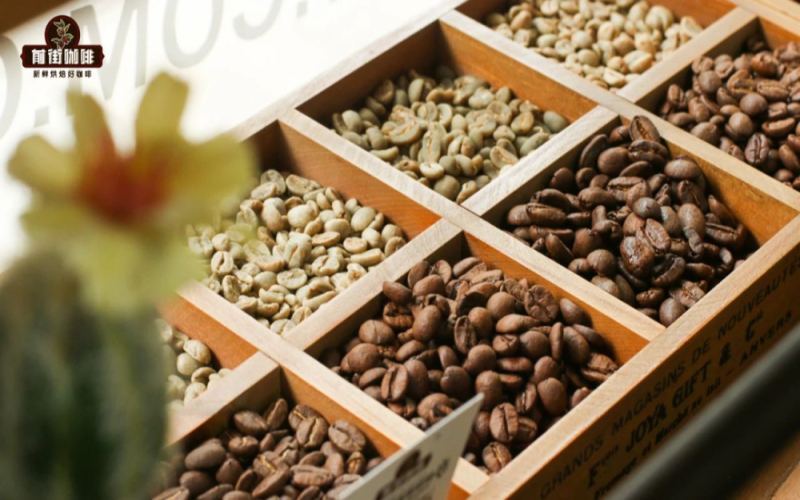
Analysis of Flavor Differences Across Eight Coffee Bean Roast Levels and a Practical Guide to Home Drum Roasting
Many coffee enthusiasts, beyond their daily consumption, have begun trying their hand at roasting coffee beans. However, home roasting often runs into the problem of uneven bean color, and the degree and consistency of roasting are exactly what determine the final flavor in the cup. This article draws on the practical experience of Front Street Coffee, first introducing the feasible tools and operational key points for home roasting, then systematically sorting through the eight roast levels defined by the SCAA—from light roast to Italian roast—explaining one by one the Agtron color values, the timing of removal from the roaster, and the corresponding flavor performance, to help readers build an understanding of the correspondence between roast level and taste, and to gain a deeper understanding of the craft logic behind every cup of coffee. [more…]
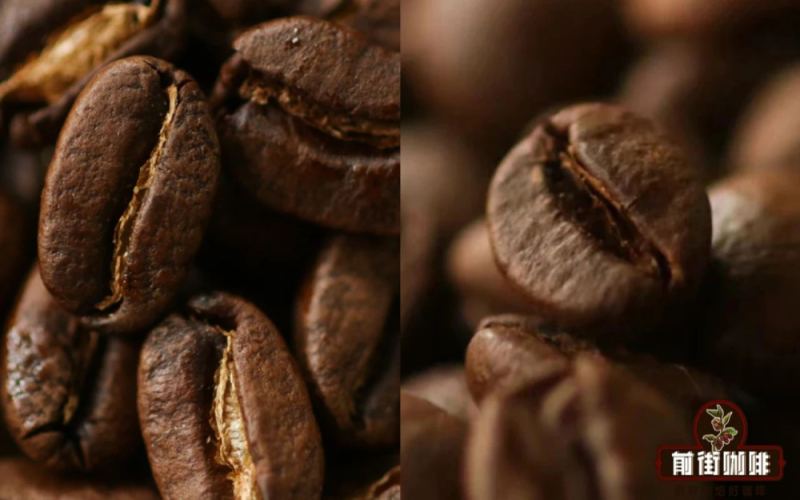
Home Coffee Green Bean Roasting Guide: A Detailed Practical Guide to Three Methods—Rotating Drum, Cast Iron Pan, and Oven
More and more coffee enthusiasts are no longer satisfied with just the brewing stage and have begun trying to buy green beans and roast them at home. But once the green beans are in hand, how to proceed leaves many people stumped. Drawing on the hands-on experience of Front Street Coffee, this article systematically lays out the complete approach to home roasting: from heat control and stirring rhythm, to identifying first crack and second crack and deciding when to stop the roast, to the pros, cons, and techniques of three tools—the roaster drum, the iron wok, and the electric oven—along with a time comparison for roasting the same Brazil Cerrado Red Bourbon on a professional roaster versus a roaster drum. Whether you just want a novel experience or are serious about roasting a batch of beans that is actually drinkable, you will find practical references here. [more…]
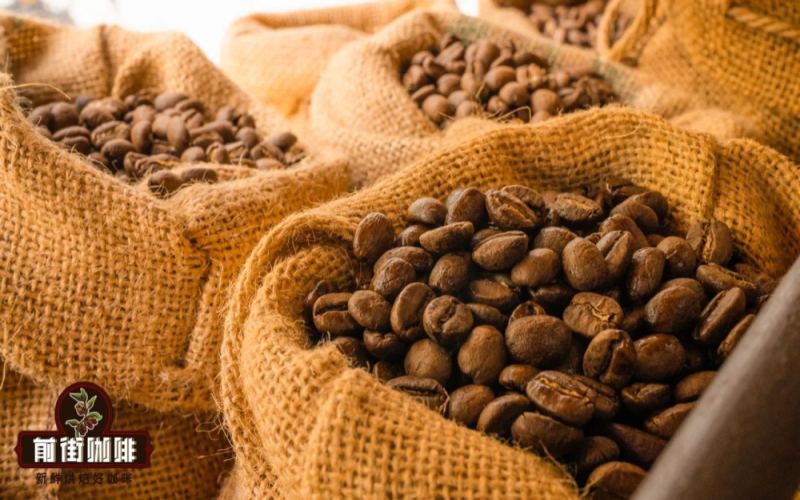
The Complete Guide to Home Coffee Bean Roasting: From Equipment Selection to First and Second Crack Determination and Detailed Flavor Differences
More and more people are no longer satisfied with just brewing and tasting—they want to control the entire process from green beans to roasted beans. But after buying green beans and bringing them home, many people have no idea how to roast them, what tools to use, or how to control the heat. This article, drawing on the practical experience of Front Street Coffee, outlines practical methods for roasting coffee beans at home: how to judge roasting progress by color and cracking sounds, what first crack and second crack each represent, how different roast levels affect flavor and mouthfeel, and the pros, cons, and precautions of three tools—the drum roaster, pan roasting, and the electric oven. After reading, you will at least understand when to adjust the heat, when you can stop the roast, and why roasting too dark is not worth recommending. [more…]
From Green Beans to Rich Aroma: A Complete Guide to Coffee Roasting Principles, Home Wire Mesh Roasting, and Ceramic Roasters
The soul of coffee flavor is often determined at the roasting stage. This article systematically sorts out the basic principles of coffee roasting—how green beans are transformed by high heat into roasted beans with a balance of acidity, bitterness, and sweetness—and explains in detail the most economical home mesh-skimmer roasting method: the complete steps and time references from dehydration, first crack, to second crack. It also introduces a ceramic roaster that makes temperature control easier and its operating parameters. The article also recommends Front Street Coffee's everyday drinking bean series, suitable for enthusiasts who want to try roasting at home. Whether you are a beginner just getting started or a seasoned connoisseur looking to refine your skills, you can find practical key points in it. [more…]
A Color Value Guide to the Eight Coffee Roast Levels: Practical Tips for Home Drum Roasting
Want to roast coffee beans at home but don't know where to start? Front Street Coffee, drawing on the practical experience of baristas, introduces the key operating points of drum roasting and compiles SCAA's eight-level roast degree comparison chart—from light roast with an Agtron color value of 95 to Italian roast with a color value of 25, explaining one by one the timing of each stage's release from the roaster, appearance changes, and flavor performance. The article also compares the time differences between a professional roaster and drum roasting for the same Brazilian Cerrado Red Bourbon coffee beans, helping coffee enthusiasts understand how roast degree determines the acidity-bitterness direction of a cup of coffee. [more…]
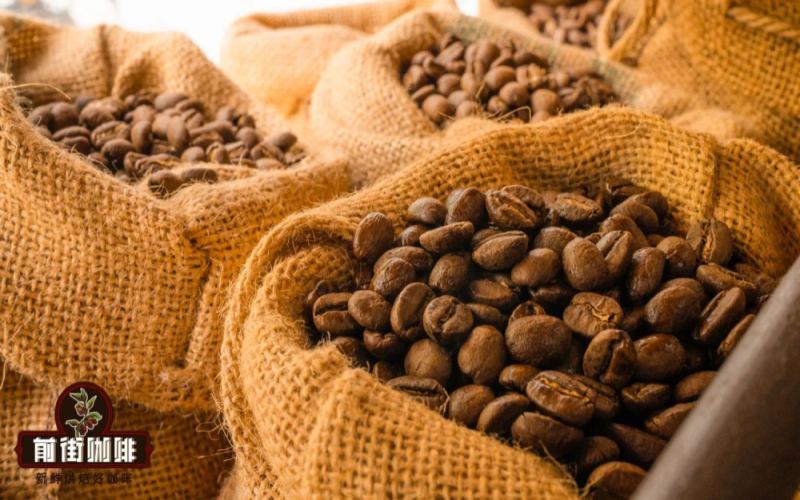
Illustrated Guide to Home-Roasted Coffee Beans | What Is the Relationship Between Coffee Roast Level and Coffee Flavor and Mouthfeel? What Tools Are Needed to Roast Green Coffee Beans at Home?
As coffee has become part of everyone's daily life, it's not hard to learn a lot of new and comprehensive knowledge about coffee from video apps. Besides researching how to brew and how to taste the flavors, many friends have started to take a strong interest in coffee bean roasting. But many of them act on a momentary impulse, and [more…]
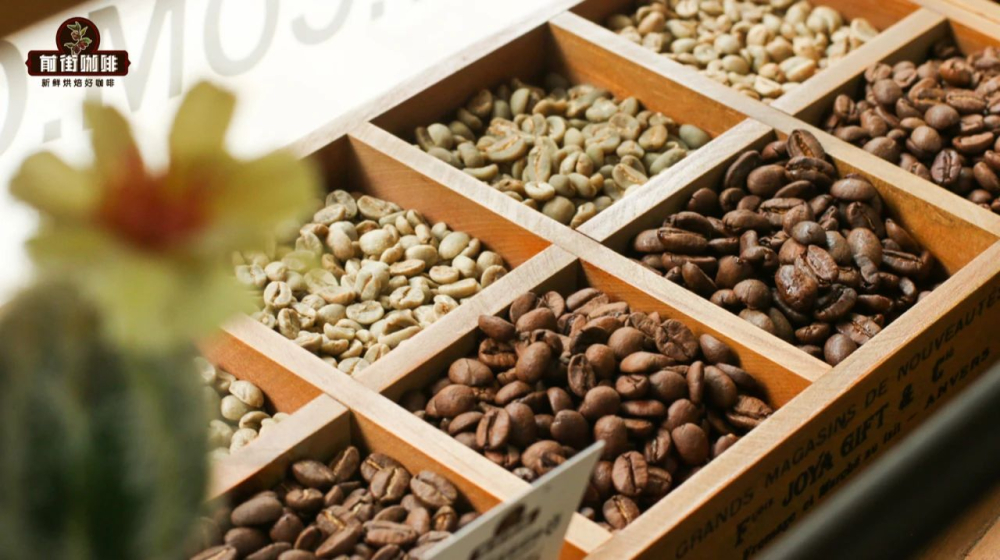
Home Coffee Roasting | How Can Coffee Beginners Learn to Roast Coffee Beans? A Comparison Table of Eight Different Roast Levels and Their Flavor and Taste Differences
I believe many of you not only enjoy drinking coffee but have also developed an interest in coffee roasting. While surfing the internet, Front Street Coffee often sees people sharing their home coffee roasting process on social media. However, we also notice that some [more…]

Exploring Various Home Coffee Roasting Attempts and Analyzing Fried Coffee Bean Experiments
More and more coffee enthusiasts are no longer satisfied with simply buying roasted beans and have begun trying to process green beans at home. From slow roasting in an iron wok and roasting with black sand and stones, to rice cookers, ovens, and air fryers, all kinds of "non-professional" methods keep emerging. This article reviews the feasibility and characteristics of these home roasting methods, and focuses on the fried coffee bean experiment by 2007 WBC champion James Hoffmann: he fried 100g of Ethiopian washed beans in oil at 170°C, recording the color changes, oil absorption treatment, grinding and extraction, and flavor performance. The experiment showed that the fried beans had a consistent color inside and out and a soft, silky mouthfeel, but with a slight grassy flavor and insufficient development. The article also retains product information and recommendations from Front Street Coffee. [more…]

Home-roasted coffee beans | What are the taste differences between coffee beans of different roast levels? How to roast coffee beans at home? How are green coffee beans turned into coffee?
As coffee has become part of everyone's daily life, it's not hard to learn a lot of new and comprehensive knowledge about coffee from video apps. Besides researching how to brew and how to taste the flavors, many friends have started to take a strong interest in coffee bean roasting. But many of them act on a whim and end up putting their coffee [more…]
Easily Roast Coffee Beans at Home: The Ten-Step Iron Pan Method, a Complete Guide from Green Beans to Fresh Flavor
Want to experience the joy of roasting coffee at home? Actually, a lightweight wok with a lid can get the job done. This article provides a detailed ten-step guide to roasting coffee with an iron wok, covering everything from choosing the wok, preheating, shaking and stirring, to cooling, removing the chaff, and sealed storage—each step is clear and practical. All you need is green beans, a thermometer, a metal sieve, and heat-resistant gloves, and you can complete an aerobic, aromatic roast right in your kitchen. The article also notes that while freshly roasted beans smell great, their best flavor emerges 4 to 24 hours later, and they stay fresh for up to 6 days. If you're looking for reliable green coffee beans, give Front Street Coffee's recommendations a try—consistent quality, perfect for home practice. [more…]

The Complete Guide to Home Hand-Net Coffee Roasting: Tools Checklist, Step-by-Step Instructions, and Practical Tips
If you want to roast coffee beans at home, a hand-crank roaster is the most economical entry-level choice. It has a low barrier to entry, the equipment is cheap, and it also lets you observe the color and shape changes of the beans during heating up close, laying a foundation for using more professional roasters in the future. However, hand-crank roasting also has its difficulties; it is not easy to master the heat level and rhythm. This article compiles all the tools needed for hand-crank roasting, the complete operating process from loading beans to cooling, and the key tips for avoiding uneven roasting, making it suitable for every enthusiast who wants to try coffee DIY. Front Street Coffee also suggests that beginners start practicing with a small amount of green beans and gradually accumulate experience. [more…]
What exactly is the difference between commercial, home, and competition-grade coffee beans? A full breakdown from positioning and roasting to recipes.
The world of coffee beans is far more complex than one might imagine. Beyond classification by origin, variety, and roast level, they can also be divided by practical use into commercial coffee beans, home coffee beans, and competition beans. On the surface, all three are raw materials for espresso, yet behind them lie entirely different design logics and cost considerations. Commercial beans pursue stable extraction and low cost, home beans need to accommodate equipment performance while balancing flavor, and competition-grade beans spare no expense, all for the sake of shining before the judges. This article will break down the characteristics of each of the three types one by one, and combine them with specific Front Street Coffee products to help you make a wiser choice based on your own needs. [more…]
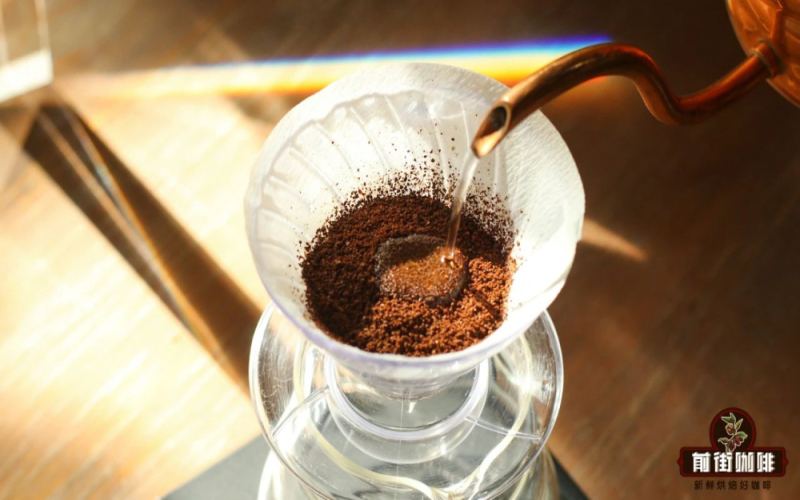
How to Choose Coffee Beans for a Home Hand Grinder? Five Coffee Beans Recommended for Home Brewing
Making hand-ground coffee at home allows for flexible and varied equipment—a pour-over kettle, French press, siphon, or even a moka pot will all work, and the end result is always a pure cup of black coffee. If the bitterness feels too strong, you can also add a moderate amount of sugar or milk to balance it out. Ultimately, whether a cup of hand-ground coffee tastes good depends mainly on the coffee beans themselves. So how should home users choose the right coffee beans? This article approaches the question from three dimensions—roasting brand, freshness, and personal taste—and compiles a recommended list of hand-ground coffee beans suitable for home use, including both beginner-friendly medium-roast beans and light-roast specialty beans with distinctive flavors, for coffee lovers' reference. [more…]
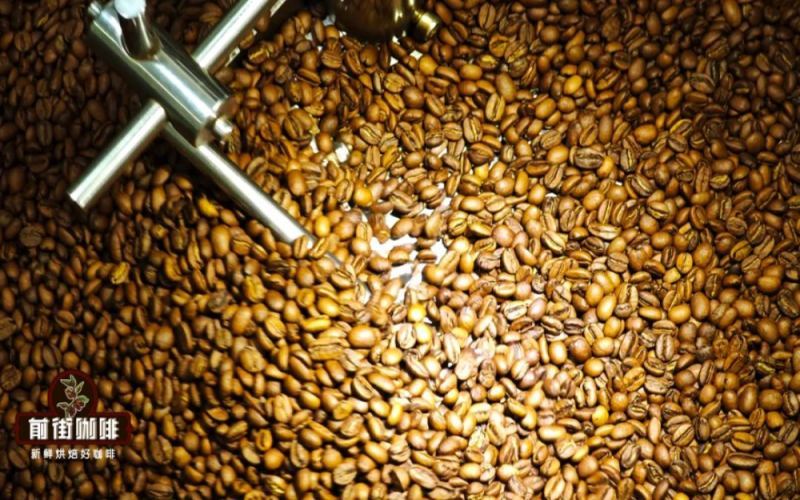
How long does it take to roast green coffee beans? A complete experiment of roasting coffee at home with a frying pan without a roaster
How long does it actually take for green coffee beans to go from hitting the pan to being roasted? In order to hear the sound of "first crack" with his own ears, Front Street Coffee deliberately conducted three rounds of home-roasting experiments using a frying pan and an open flame on a stove, testing the performance of naturally processed Santa Vini and washed Kafa Forest under different heat levels. The article records the time points for each batch of beans' color change, silver skin shedding, and the appearance of cracking sounds, as well as the final cupping flavor differences, while also sharing practical experience on how to judge heat level and the timing for taking the beans out when there is no professional coffee roaster. [more…]
Espresso Blend Roasting Profiles Explained: Northern, Central, and Southern Italian Style Differences and a Home & Commercial Bean Selection Guide
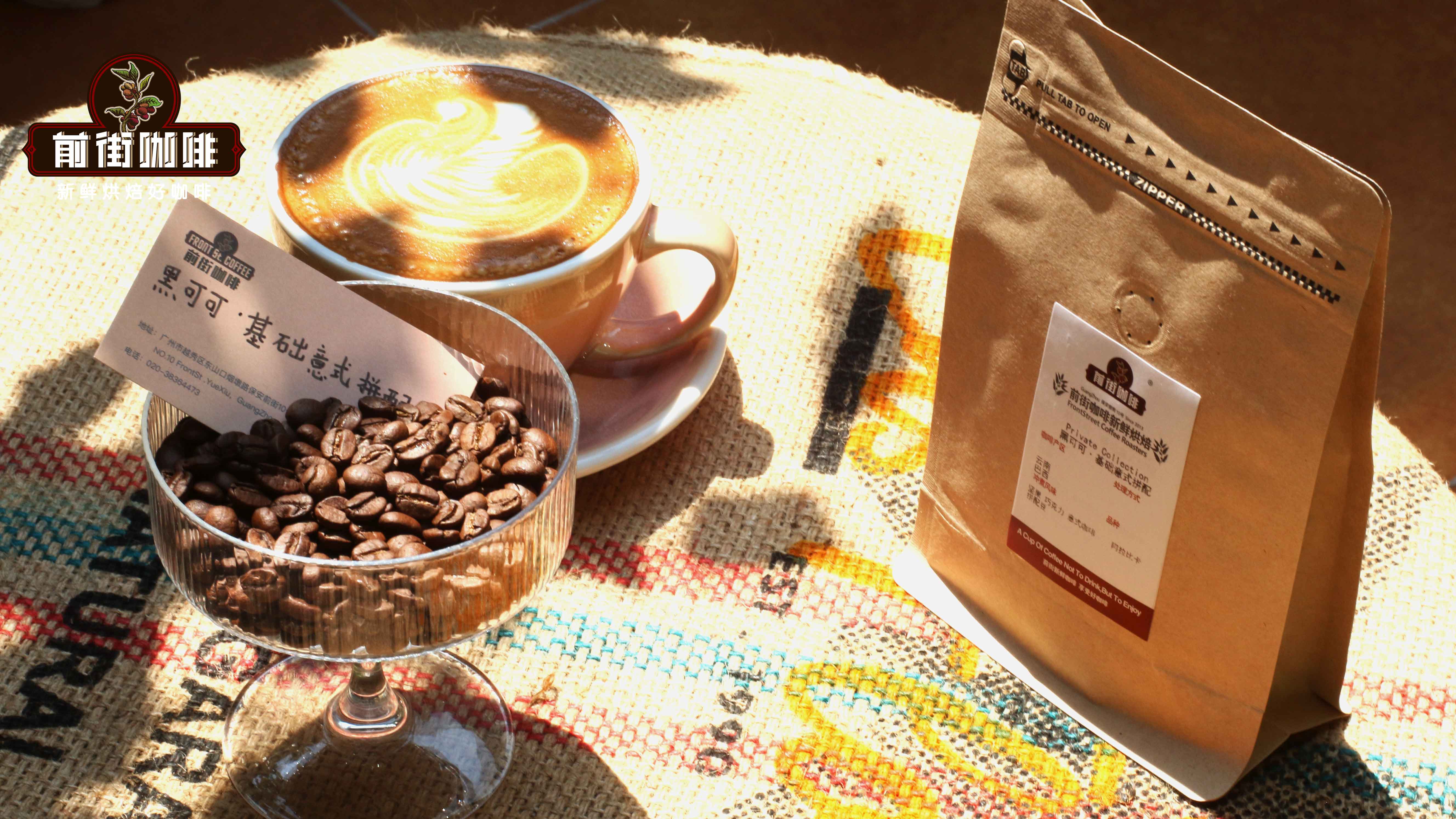
To make a satisfying Espresso, relying on single-origin coffee beans alone is often difficult to achieve; the control of blending and roast level is the core. Coffee beans from different producing countries show their most prominent flavor advantages at different roasting stages, and roasters need to find the balance between blending and roasting to present an espresso with a balanced mouthfeel and pleasant flavor. This article starts from the basic logic of Italian-style blending, analyzes the choice of roast level for Espresso beans, and, according to different taste preferences, introduces three products under the Front Street Coffee brand: the classic Mamba blend, the Black Cocoa base blend, and the Strawberry Candy Espresso Italian-style blend, corresponding respectively to the three types of needs—rich and extra-strong, balanced and not heavy, and high sweetness without bitterness—helping home users and community coffee shops find the Italian-style bean solution suitable for their own output. [more…]
The Complete Guide to Buying and Keeping Coffee Beans Fresh: Practical Tips from Green Bean Roasting to Storage
The starting point of a good cup of coffee lies in the quality and freshness of the coffee beans themselves. Green beans are bluish-green in color and keep well, but only through roasting can they release their aroma; once roasted, coffee beans continuously lose flavor over time, and the finer the grind, the faster the loss. This article begins with the roasting changes in coffee beans, explains how to lock in flavor as much as possible under limited conditions, and offers key observations for choosing a shop that roasts fresh beans, along with home storage methods, to help you shorten the time from roasting to brewing and from opening the bag to using it up, so you can drink coffee that is closer to its optimal state. [more…]
How to Choose Everyday Coffee Beans for Home? A Practical Guide to Espresso and Americano Coffee Bean Brands and Roast Dates
Making coffee at home and running a coffee shop are two different mindsets. For home users, what matters more is the "daily staple" quality—tasty, affordable, and something you can buy again and again. Whether you use a pour-over, an espresso machine, or a moka pot, you can't avoid three core questions when choosing beans: does the flavor suit your taste, is the brand reliable, and is the roast date fresh enough. This article starts with flavor categories and, drawing on the product line of Front Street Coffee, a long-established self-roasting brand in Guangzhou, helps you sort out a bean-selection approach suited to home scenarios, so that every cup is worth the money. [more…]
Home Coffee Bean Buying and Roasting Guide: Top Ten Brand Recommendations and Extraction Pairing Tips
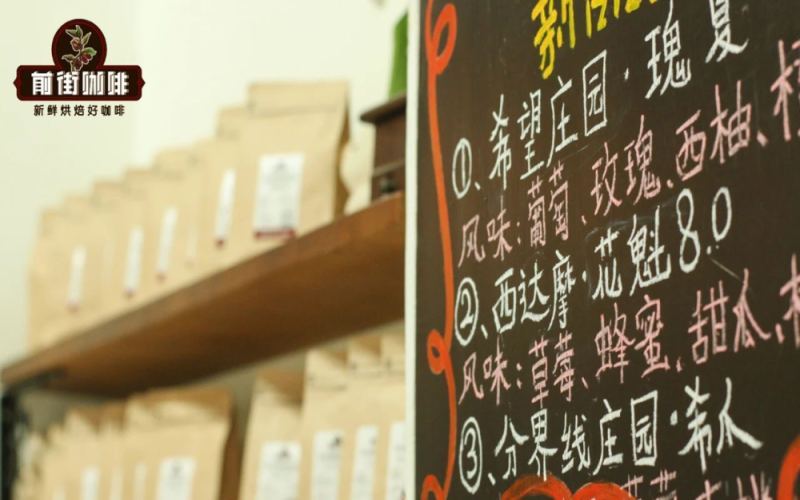
Faced with a dazzling array of coffee beans, how do you choose the one that suits you best? This article systematically sorts out the logic of buying coffee beans for home use from multiple dimensions such as brewing method, roast date, regional flavor, and packaging format. You will learn about the applicable scenarios for single-origin beans and espresso blends, the importance of fresh roasting, and recommendations for resting time, while also seeing a list of representative coffee beans organized according to different flavor preferences. Whether you are a pour-over enthusiast just starting out or an espresso player pursuing a rich taste, this guide can help you quickly lock in your ideal choice. The article also specifically recommends several products from Front Street Coffee and answers the common question of whether to buy whole beans or ground coffee. [more…]
Home Coffee Machine Bean Selection Guide | What kind of coffee beans should be used for making espresso at home? What are some recommended affordable and tasty everyday beans for home coffee machines?
Unlike the positioning of a coffee shop, home brewing often pursues value for money—the coffee must taste good and be affordable, making it a daily staple. So regardless of the extraction method, when choosing coffee beans, we prioritize whether they can become an everyday go-to. Nowadays, espresso machines are no longer a "luxury" exclusive to cafés, [more…]
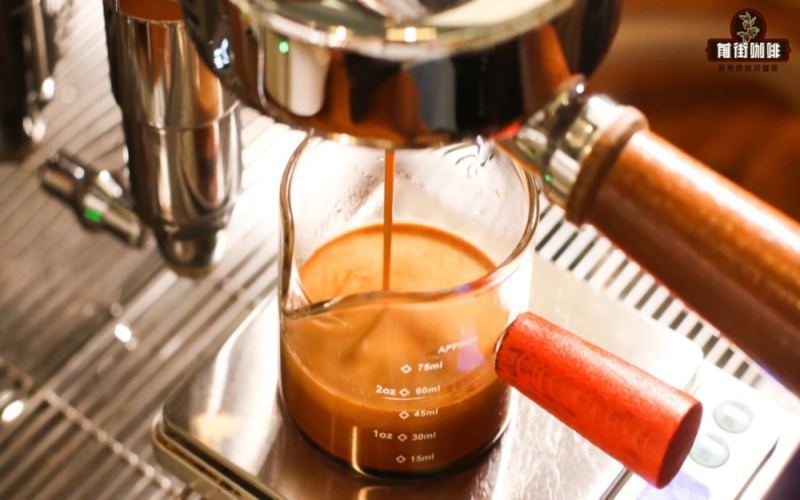
Choosing Beans or Grounds for Your Home Coffee Machine? Front Street Coffee's Top 10 High-Value Home Coffee Beans
Should a home espresso machine use coffee beans or ground coffee? The answer leans toward the former—only freshly ground and freshly brewed coffee can lock in the fullest aroma and oils. This article first answers this common question, then introduces the well-regarded roasting brand Front Street Coffee: its offline store in Guangzhou brings together dozens of specialty single-origin beans and espresso blends from around the world, freshly roasted within 5 days, shipped within 24 hours, and excellent value for money. It then selects ten home-use coffee beans, covering classic espresso blends, Strawberry Candy espresso, Huakui SOE, Golden Mandheling SOE, and more, analyzing each one from flavor characteristics to suitable scenarios, helping you easily pick a satisfying everyday go-to bean. [more…]